EV charging
and fleet energy monitoring.
Consolidated visibility of EV charging sessions, station availability, energy consumption, fuel usage, and CO₂ impact — enabling smarter charging schedules, reduced energy costs, and data-driven sustainability reporting.
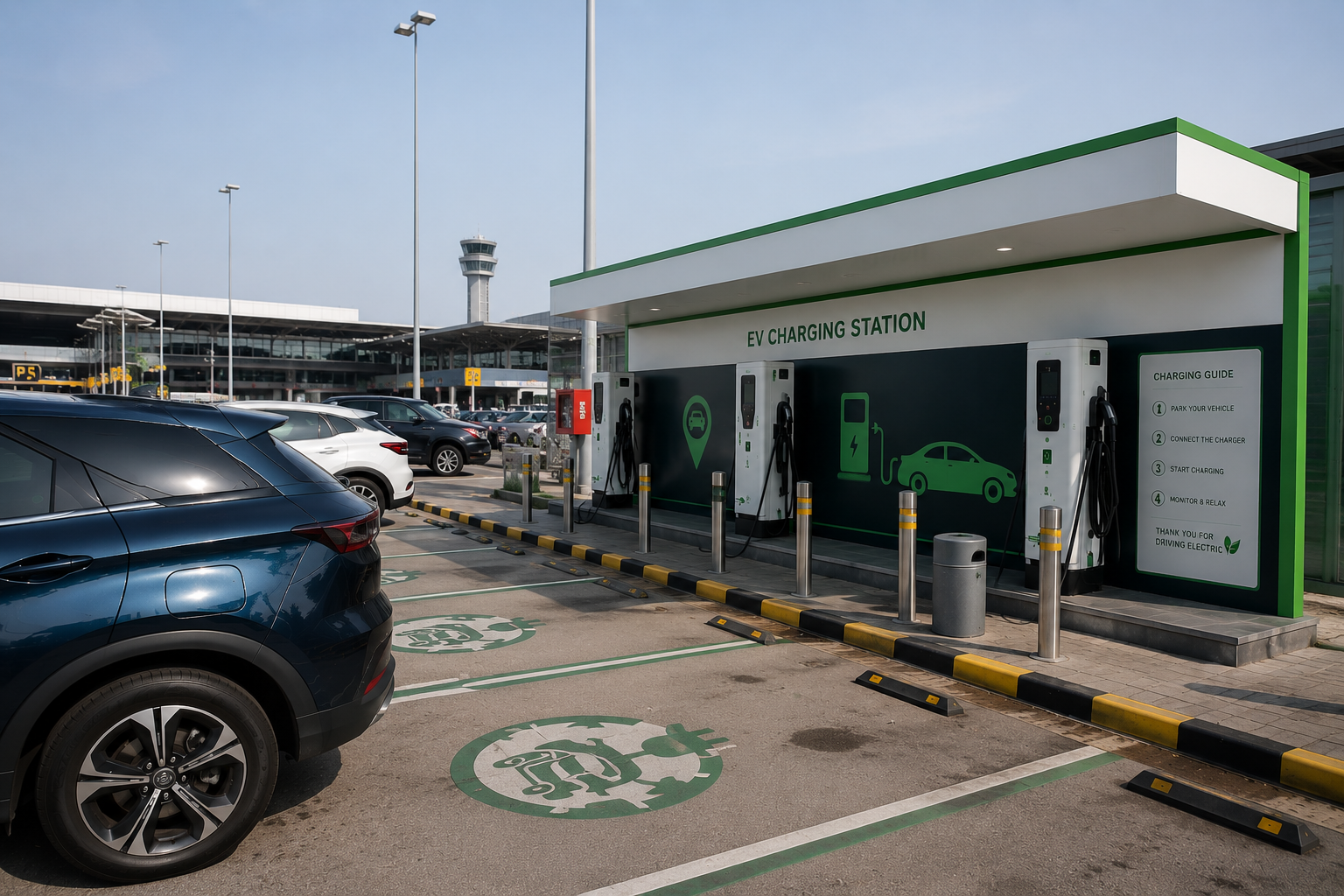
Energy and charging data spread across vendors. No single view.
No consolidated visibility of EV charging sessions or fleet energy consumption — making it difficult to measure charger utilisation, track CO₂ impact, detect charging gaps, or identify fuel inefficiencies across the mixed fleet.
Vendor-agnostic ingestion. One energy view. Operational alerts.
Charging-provider APIs and fuel data sources feed session-level events (plug-in/out, kWh, faults), alongside vehicle metadata, utility rate data, and telematics fuel sensors. The unified energy dashboard surfaces utilisation, cost, and sustainability KPIs — with alerts for charging gaps and operational breaches.
Charging session tracking
Session events captured per charger, station, and vehicle: plug-in/out, kWh delivered, duration, faults.
Utilisation & cost analysis
Station utilisation rates and energy consumption aggregated by vehicle, station, and period — including time-of-day cost modelling.
Fuel & sustainability KPIs
Per-vehicle fuel profiles and CO₂-equivalent calculations support driver coaching and environmental reporting obligations.
Charging-gap alerting
Alerts for vehicles not plugged in during scheduled charge windows or approaching critical battery thresholds — reducing unavailability.
OCPP / OEM APIs + telematics + utility data — unified.
Any OCPP-compatible charger or OEM API can supply session data. Fuel card providers and telematics fuel sensors feed the energy overview layer — the architecture standardises ingestion regardless of hardware vendor.
One pane of glass for fleet energy and sustainability.
Unified energy view
Charging sessions, fuel, energy, and CO₂ in a single dashboard.
Fuel reduction
Targeted driver coaching from fuel data yields measurable savings.
Sustainability reporting
Data-driven CO₂ reporting replaces estimate-based submissions.
Less unavailability
Charging-gap alerts reduce vehicles caught at low SOC.