From spreadsheets to a
centralised fire impairment workflow.
A standalone, web-based Fire Impairment System replacing a highly manual, spreadsheet-driven process — improving safety, compliance, and operational visibility across the airport.
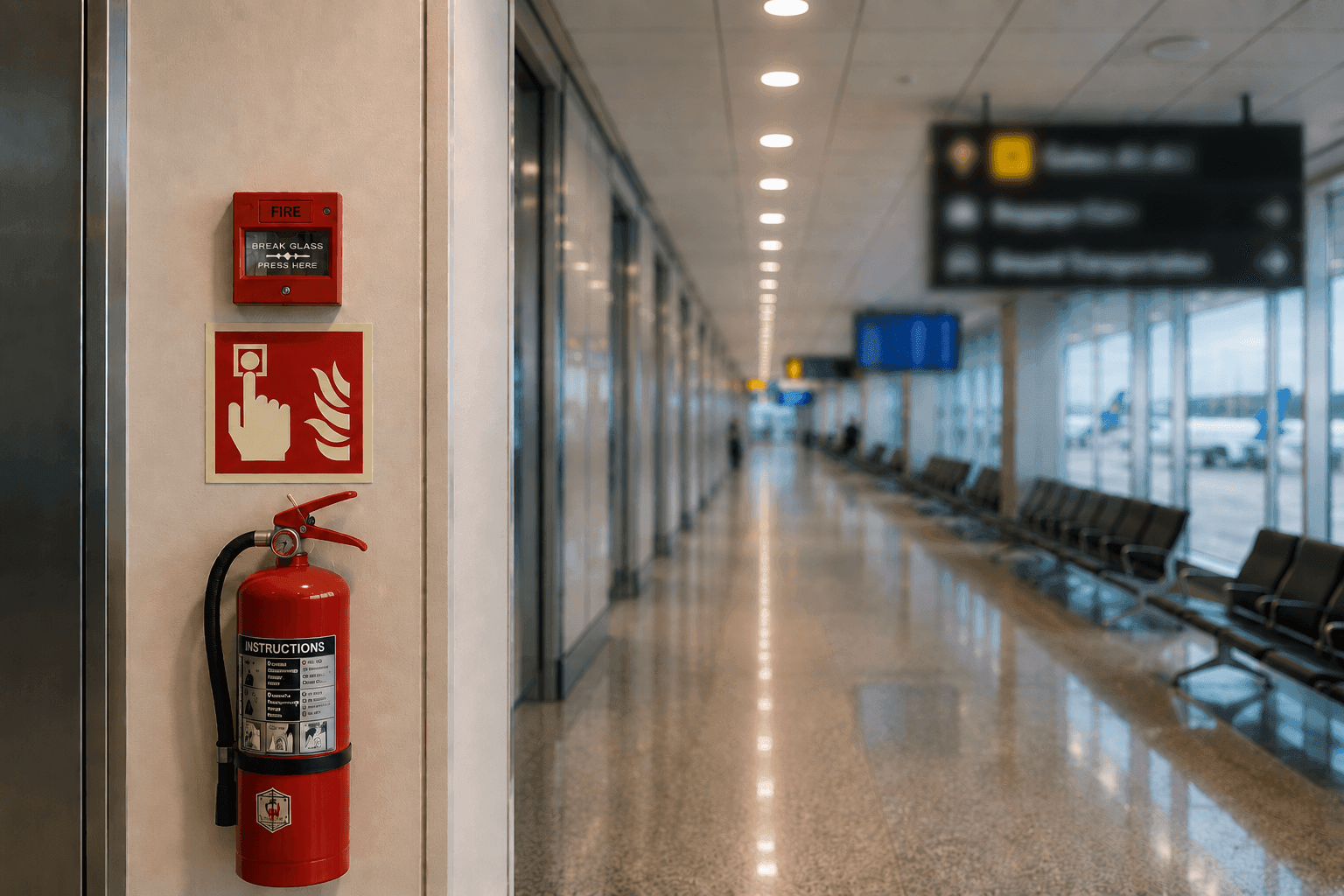
Manual fire impairment created safety, compliance, and coordination risk.
Fire impairment management relied on manual, spreadsheet-driven processes that created significant safety, compliance, and coordination risk. Managing fire-system isolations across airport facilities without centralised oversight exposed the organisation to audit-trail gaps, conflict-detection failures, and delayed approvals — all with material safety and insurance implications.
End-to-end digital workflow — risk-aware by design.
A standalone, web-based system supporting the full impairment lifecycle — contractor submission through approval, activation, monitoring, and close-out — with validated priority functional requirements including conflict detection, structured workflow controls, and real-time visualisation.
Digital contractor submission
Guided forms with mandatory field validation supporting single-day, multi-day, and recurring impairment requests.
Automated conflict detection
Critical safety rules enforced — including Wet vs Dry isolation conflicts — with blocked submissions until risk assessments were uploaded and reviewed.
Risk & approval workflow
Structured review with Works Manager verification before final approval by the Fire Impairment Team — ensuring governance and compliance.
Real-time visibility & traceability
Live dashboards, calendar views, interactive maps, and full status tracking with document attachments — providing the audit trail safety and insurance teams require.
Lightweight, web-based, extensible.
Built as a standalone web application supporting end-to-end impairment lifecycle management — lightweight enough to deliver as a PoC, extensible enough to integrate with asset systems and insurer reporting in future phases.
From manual risk to digital safety control.
Admin effort
Automation reduces effort across submission, review, and close-out.
Safety compliance
Conflict detection and structured workflow enforce safety rules.
Full audit trail
Every action tracked with attachments and lifecycle milestones.
Contractor coordination
Real-time visibility for contractors, Works Managers, and the Fire Impairment Team.